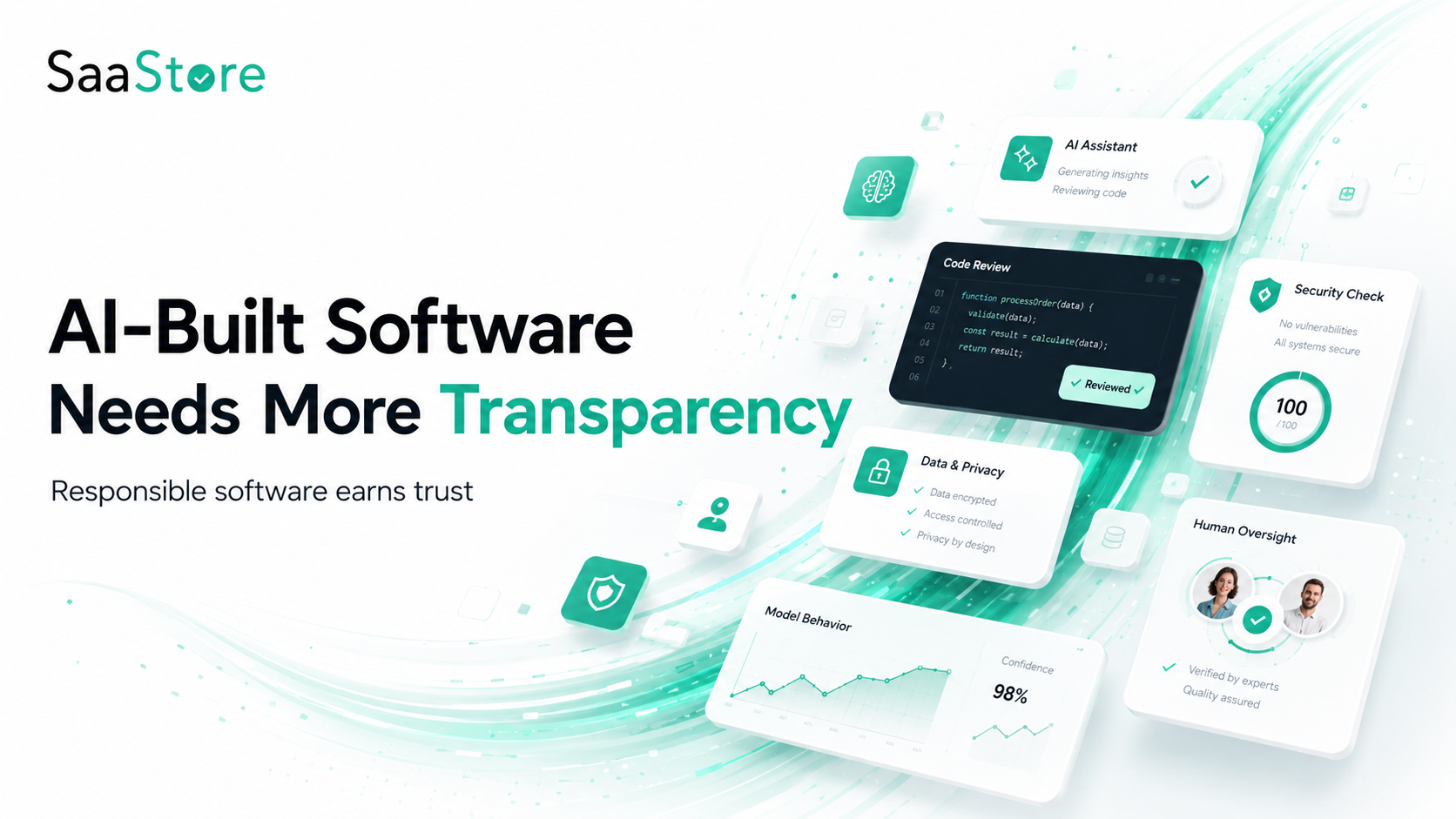
AI-built software does not need to hide.
Using AI to build a product is becoming normal. Founders use AI to write code, generate interfaces, build workflows, debug issues, and ship faster. The question is no longer whether AI was involved. The question is what happened after AI was involved. That is what buyers care about.
A buyer does not need a full technical explanation of every prompt, model, or tool used to create the product. But they do need confidence that a responsible person reviewed what was shipped.
Because AI can generate working software quickly. It can also generate insecure, messy, or fragile software quickly. That does not mean AI-built products are bad. Some are excellent. But it does mean buyers need more visibility into the review process.
Focus On Responsibility
For AI-built software, transparency should focus on a few simple questions. Was the product tested manually? Was authentication checked? Was payment tested? Was customer data reviewed? Was the database configured safely? Was the product scanned for common issues? Is there a human who can fix problems?
These questions are not anti-AI. They are pro-responsibility.
Explain How AI Was Used
The strongest AI-built products will not be the ones that pretend AI was never used. They will be the ones that explain how AI was used and how the final product was validated. A simple statement can make a big difference: This product was built with AI-assisted development tools and manually reviewed before launch. That sentence is better than silence.
Even better is a short review checklist:
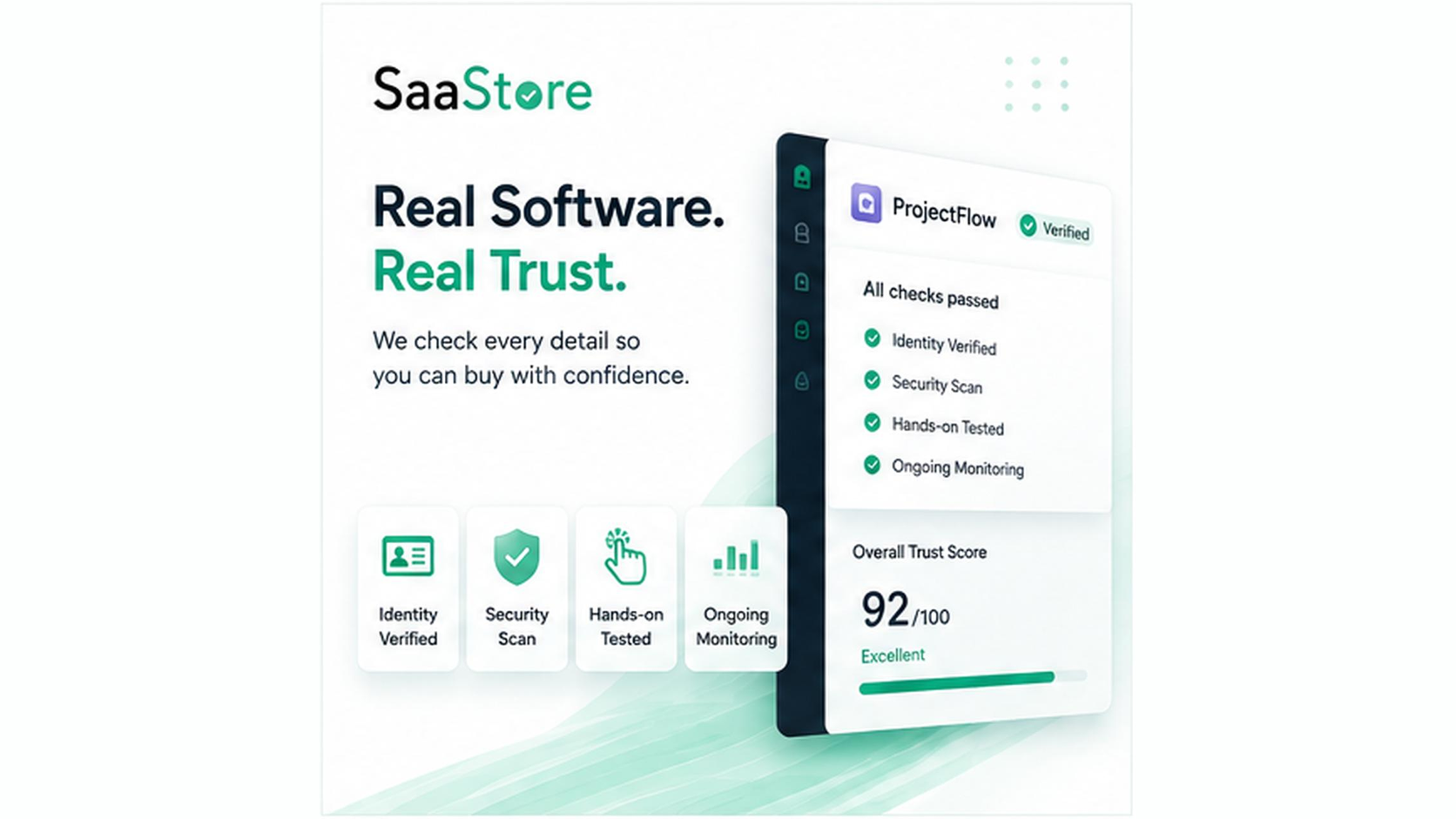
- Core flows tested.
- Login tested.
- Payment tested.
- Data access reviewed.
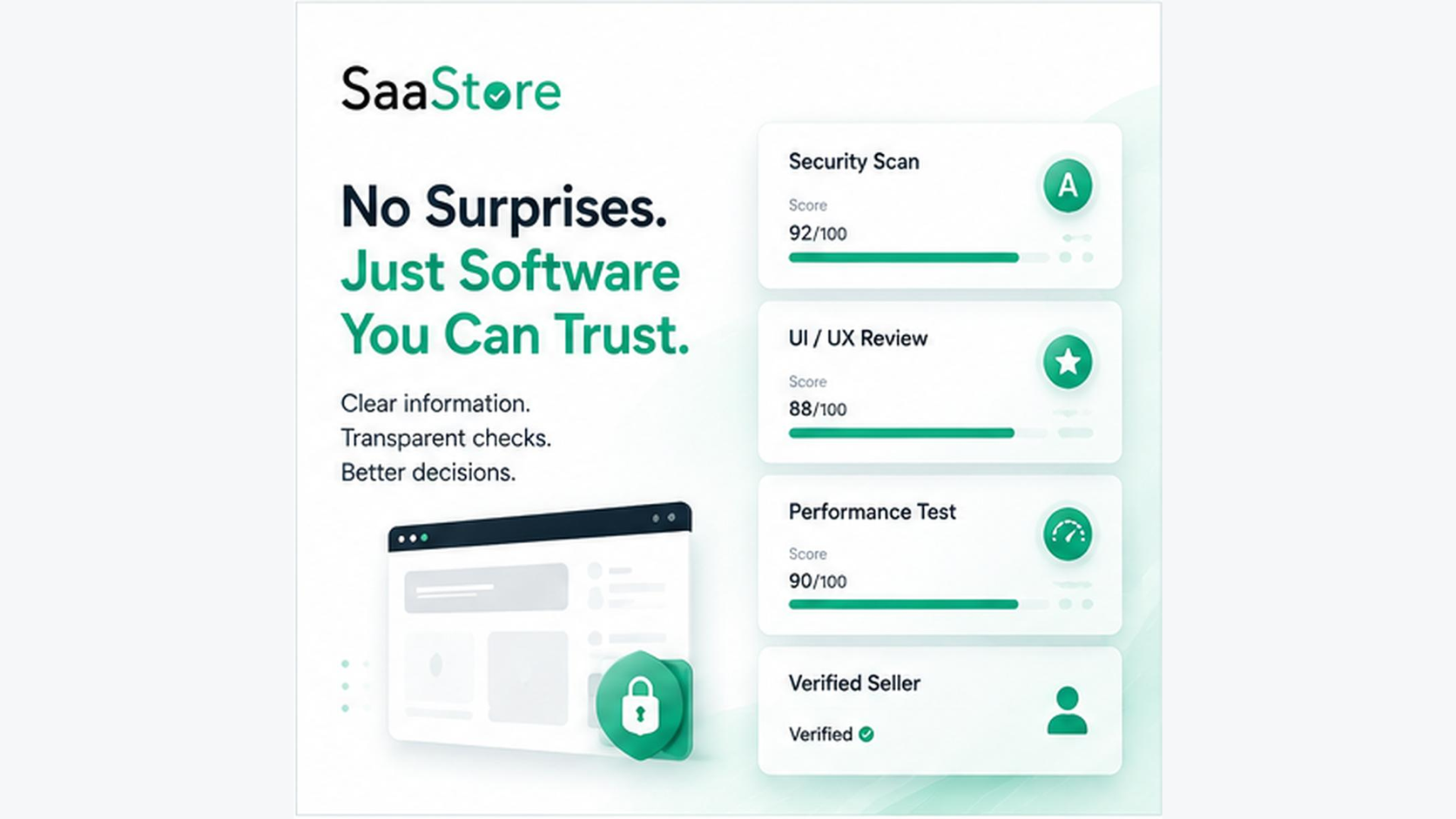
- Security scan completed.
- Support channel available.
- Product actively maintained.
None of this needs to be dramatic. It just needs to be visible.
The mistake is assuming buyers will only care about the final interface. A clean interface helps, but it does not answer the deeper trust question. Can this product be trusted with real usage? That question matters more when the product was built quickly.
Speed Plus Accountability
Speed is one of the biggest advantages of AI development. But speed also creates suspicion. Buyers may wonder whether the product was rushed, whether edge cases were checked, and whether the builder understands the system deeply enough to support it. Transparency turns speed from a weakness into a strength. It says: Yes, this was built efficiently. Yes, AI helped. And yes, we reviewed it seriously before asking you to use it. That is the right message.
AI-built software will become more common every year. As that happens, buyers will not reject AI-built products automatically. They will reject products that feel careless, anonymous, or unreviewed. The winners will be builders who combine AI speed with human accountability.
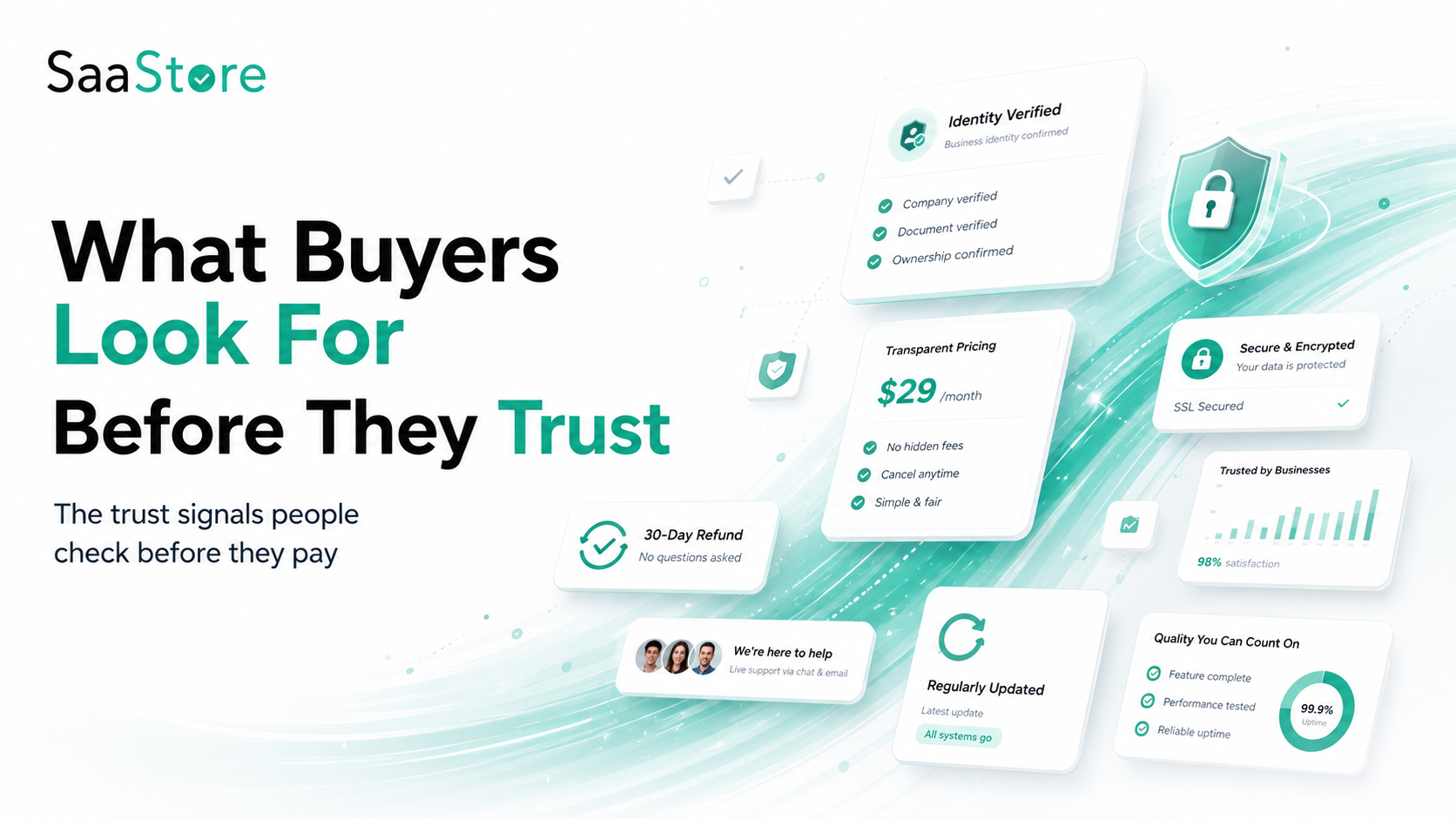
That means saying who owns the product. It means explaining how the product was tested. It means showing security signals. It means being honest about limitations. It means giving users a support path.
AI can help create software. Trust still needs to be earned by people.