Google's Document AI has been the default answer for teams that need to pull structured data out of invoices, receipts, contracts, and forms. It is powerful, it scales, and it sits inside the Google Cloud ecosystem. But for a large and growing group of buyers - small teams, indie operators, agencies, and anyone who is not already deep inside GCP - it is no longer the obvious choice.
If you are searching for Google Document AI alternatives, you are usually solving one of three problems: cost, complexity, or fit. This guide covers all three, and points to the kind of independent tools you can find and vet on SaaStore.
Why Teams Look For An Alternative
Document AI is a great fit for a specific buyer: an organisation already standardised on Google Cloud, with engineers who can wire up processors, manage IAM, and tune custom extractors. Outside that profile, the friction shows up fast:
- Pricing that scales with volume. Per-page pricing is predictable for Google, less so for a buyer whose document volume is spiky or growing. A few thousand pages a month adds up, and custom-processor training carries its own line item.
- GCP lock-in. Using Document AI well means living inside Google Cloud - projects, service accounts, billing, and the console. For a team that runs on something else, that is a whole platform to adopt for one feature.
- Setup overhead. Processors, schemas, and confidence thresholds are flexible but not simple. Small teams often want a tool that extracts the fields they care about on day one, not after a tuning project.
- Overkill for the job. A lot of real work is "read these invoices and give me the totals, dates, and line items." You do not always need an enterprise document platform to do that.
What To Look For In A Document Extraction Tool
Before comparing products, get clear on what actually matters for your use case. The alternatives worth your time tend to differ along these axes:
- Document types. Invoices and receipts are the most common, but contracts, IDs, shipping docs, and free-form PDFs each need different handling. Match the tool to your real inputs.
- Output format. Do you need clean JSON, a spreadsheet export, or a direct push into your accounting or CRM system? The best fit is the one that lands data where you already work.
- Accuracy and review. No extractor is perfect. A good tool surfaces low-confidence fields and lets a human correct them quickly, rather than failing silently.
- Pricing model. Flat monthly, per-document, or freemium each suit different volumes. Predictable beats cheap-on-paper when your volume moves around.
- Privacy and hosting. Documents often contain personal or financial data. Know where they are processed and stored before you upload a single file.
Google Document AI vs. Independent Tools
Here is the trade-off at a glance. The right column describes the kind of focused, independent document-extraction tools listed on SaaStore - not a single product, but the category buyers reach for when Document AI is more platform than they need.
| Factor | Google Document AI | SaaStore-listed alternatives |
|---|---|---|
| Best for | Large teams already on Google Cloud | Small teams, agencies, indie operators |
| Setup | Processors, IAM, schema tuning | Upload and extract, minimal config |
| Pricing | Per-page, plus custom-processor costs | Often flat monthly, freemium, or per-document |
| Lock-in | Tied to the GCP ecosystem | Standalone; plugs into existing tools |
| Scope | Broad enterprise document platform | Focused on a specific extraction job |
| Trust signals | Google's brand and compliance posture | Independently scanned, seller-verified, product-reviewed on SaaStore |
Finding A Trustworthy Alternative
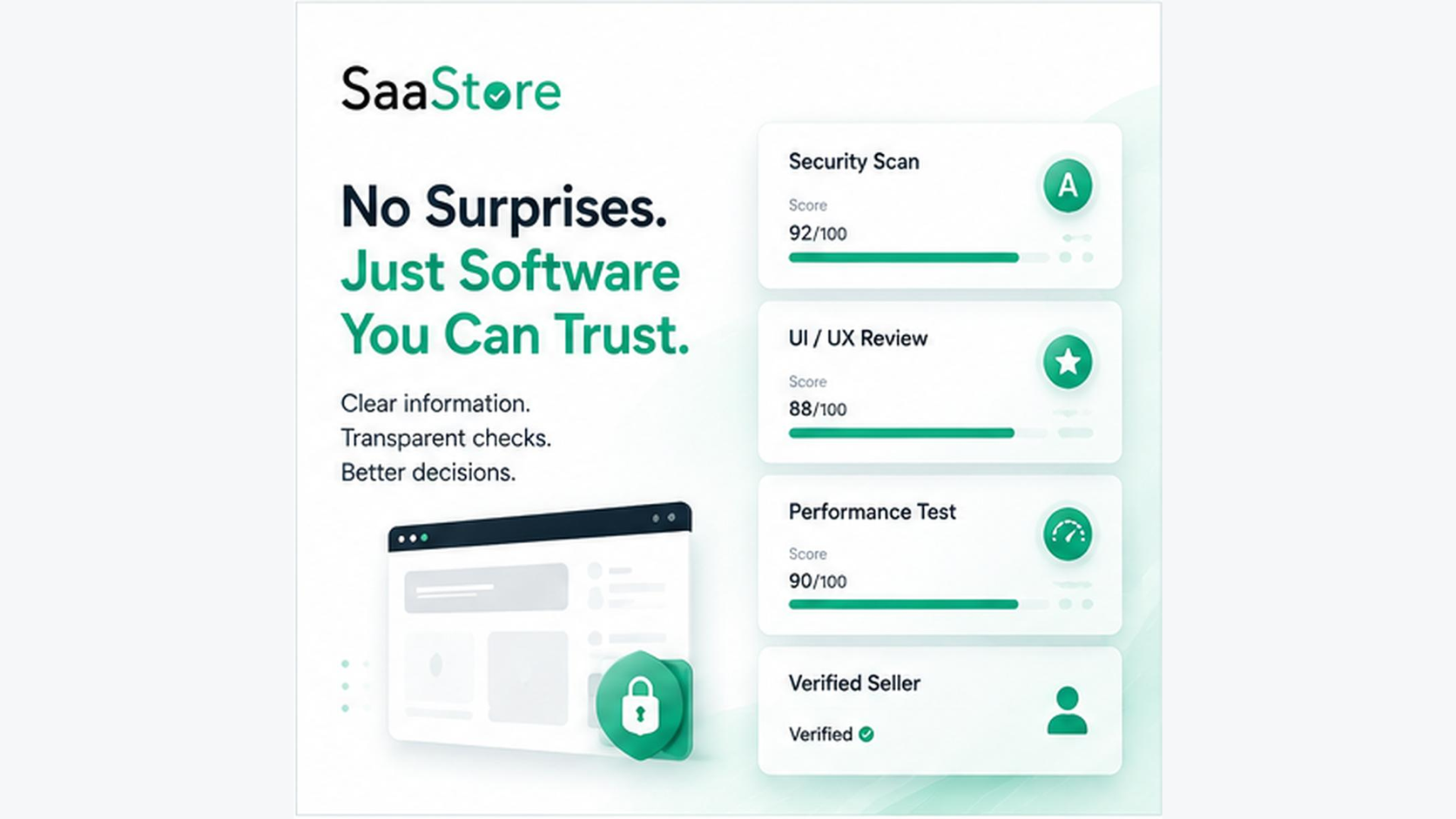
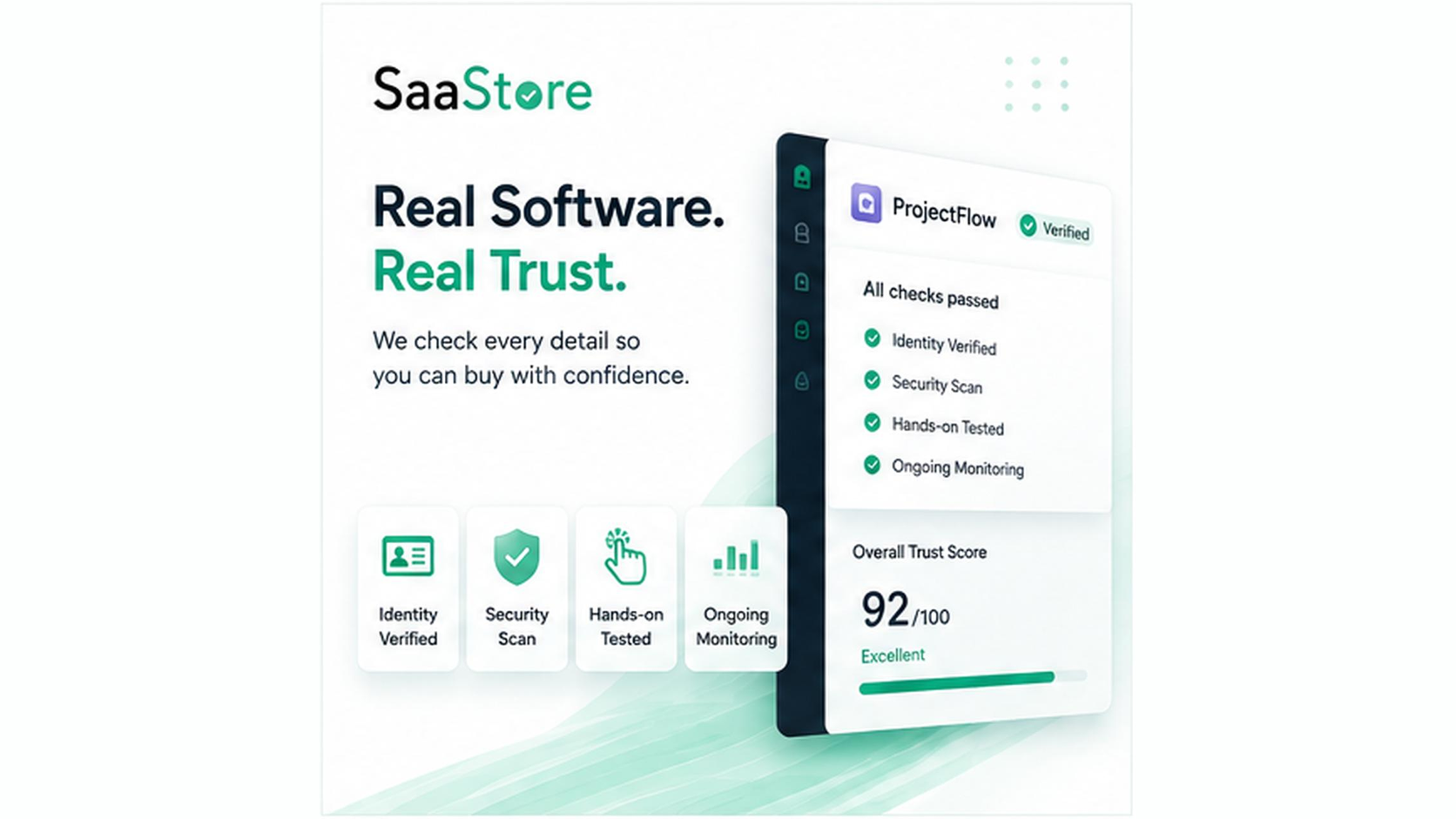
The catch with independent tools has always been trust. When you move off a name like Google, the question becomes: who built this, is it secure, and will it still be here next quarter? That is exactly the gap SaaStore is built to close. Every listing in the document-extraction category is screened before it goes live - independently security scanned, with the seller's identity verified and the product reviewed end to end - so you can compare focused alternatives without taking the leap on faith.
Start from the document-extraction tools in the catalog, match a product to the document types and output you actually need, and check the trust badges on each listing before you commit.
Document AI is the right tool for some teams. For everyone else, a focused, independently vetted alternative is often faster to adopt, easier to price, and a better fit for the job.