Many builders are afraid of refunds. They worry that if they offer a clear refund policy, people will abuse it. They worry it will make the product look less serious. They worry it will reduce revenue.
But for buyers, a refund policy means something different. It means the risk is not entirely on them.
When someone buys software from a company they do not know, they are making a small bet.
They are betting that the product works, that it fits their use case, that the seller is honest, and that support will exist if something goes wrong. If all of that risk sits on the buyer, hesitation increases.
Lowering Hesitation
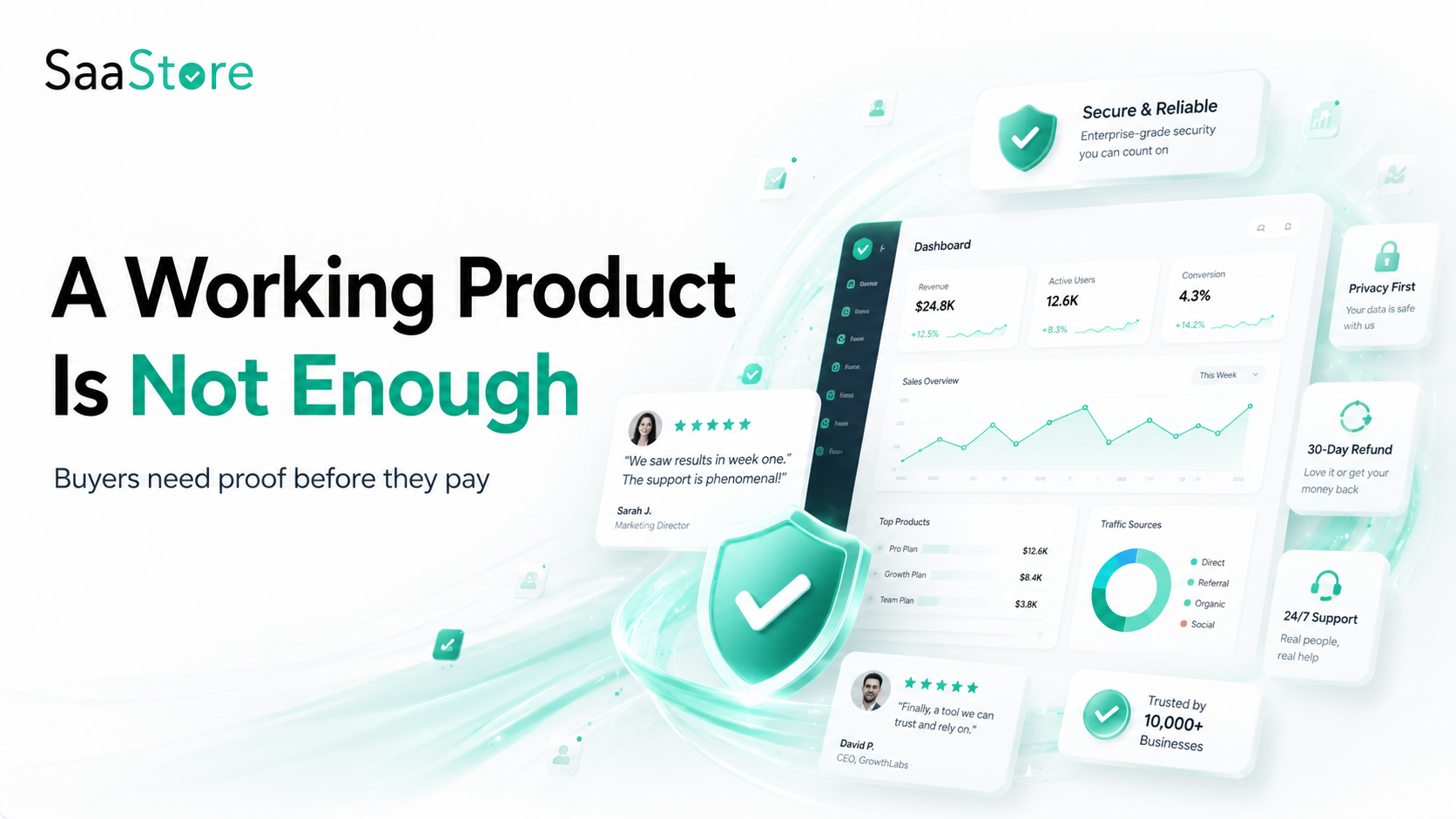
A clear refund policy lowers that hesitation. It tells the buyer: You can try this without feeling trapped.
That is especially important for independent software. A large vendor may already have brand trust, reviews, market presence, and reputation. A small builder usually does not. So the buyer needs another reason to feel safe. A refund policy can become that reason.
Keep It Simple
The best refund policies are simple. Not legal-heavy. Not hidden in the footer. Not written in a way that makes the buyer feel they will need to fight for their money. Something like: If the product is not right for you, contact us within 14 days and we will refund your payment. That one sentence can remove a lot of fear.
The point is not that every buyer will ask for a refund. Most will not. The point is that the buyer knows they can. That knowledge changes the feeling of the purchase.
Clear Cancellation Builds Trust
Clear cancellation matters for the same reason. A buyer who believes they can leave easily is more willing to enter. A buyer who suspects they will be trapped is more likely to leave before paying.
This is why dark patterns damage trust so quickly. When subscription flows are easy to start and hard to cancel, buyers learn to be cautious. That caution does not only apply to large companies. It affects every software product they see afterward.
Indie builders can use the opposite approach as an advantage. Be unusually clear. Be fair. Make cancellation easy. Make the refund policy visible. Do not surprise people with hidden charges. This can make a small product feel more trustworthy than a larger company.
It also sends a message about confidence. A builder who offers a fair refund policy is saying: I believe the product will create enough value that I do not need to trap you. That is a strong signal.
Fair, Not Unlimited
Of course, refunds should still be reasonable. Builders do not need to offer unlimited refunds forever. They do not need to tolerate abuse. They do not need to make promises they cannot afford. But a clear, limited, fair policy can do more good than harm. It reduces fear at the exact moment the buyer is deciding whether to pay.
Software buyers do not only compare features. They compare risk. A product with slightly fewer features but a clearer refund policy can feel safer than a product that looks powerful but makes the buyer unsure about what happens after payment.
That is why refunds are not only a financial policy. They are a trust signal. And in indie software, trust signals often decide whether a buyer gives the product a chance.