There are two ways to measure the quality of code an AI produces. One is the benchmark score. The other is what actually happens when that code ships to production. In 2026, these two numbers point in opposite directions.
The Benchmark Curve Looks Great
SWE-Bench Verified is the industry-standard test for AI coding agents - a 500-task curated subset of real GitHub issues from twelve major Python repositories including Django, Flask, and scikit-learn. The trajectory is dramatic:
- October 2023: top models scored about 4%.
- Late 2024: top models cleared 50%.
- Q1 2026: Claude 4 Sonnet 77.2%, GPT-5 74.9%, Gemini 2.5 Pro 71.8%.
- May 2026: Claude Mythos Preview at 93.9% - near the human-expert ceiling.
On these benchmarks, AI coding capability is closing in on parity with experienced humans for self-contained, well-specified tasks. Anthropic CEO Dario Amodei has publicly stated that "powerful AI systems will emerge in late 2026 or early 2027." OpenAI's chief scientist has set 2028 as the target for a fully autonomous AI researcher.
The Real-World Curve Looks Different
The Veracode 2025 GenAI Code Security Report is the most comprehensive primary-source study to date on the security of AI-generated code. Veracode tested over 100 large language models across 80 curated coding tasks in Java, JavaScript, Python, and C#. The headline:
AI-generated code introduces security vulnerabilities in 45% of cases. When given a choice between a secure and an insecure way to write code, GenAI models choose insecure 45% of the time.
The breakdown by language and category is sharper than the headline:
- Java: 72% security failure rate (only 28.5% of generated code passed security tests).
- Cross-site scripting (CWE-80): 86% of relevant code was insecure.
- Log injection (CWE-117): 88% failure rate.
- Python, JavaScript, C#: 38-45% failure rates.
The most damning finding came in Veracode's October 2025 update. Newer and larger models did not improve security outcomes. Claude Sonnet 4.5 actually went backwards (50% pass rate, down from 53% in Sonnet 4). Claude Opus 4.1 dropped to 49% from 50% in Opus 4. The overall 45% vulnerability rate held stable across the GPT-4, GPT-5, Claude, and Gemini generations. Veracode's CTO captured it directly: "GenAI models make the wrong choices nearly half the time, and it's not improving."
The Developer Trust Signal
Stack Overflow's 2025 Developer Survey - the most-cited annual survey in the industry, with 49,009 respondents across 177 countries - captured a counter-trend that is rare in technology adoption:
- AI tool adoption rose from 76% in 2024 to 84% in 2025.
- Trust in AI accuracy dropped from 40% to 29%.
- Active distrust climbed from 31% to 46%.
- Only 3% of developers "highly trust" AI output. Among experienced developers, the figure is 2.6%.
- 45% of developers report that debugging AI-generated code takes longer than writing it from scratch.
Usage is rising and confidence is falling at the same time. The most experienced developers - those whose reputation depends on the code they ship - are the most sceptical. This is a quality signal, not a perception problem.
The Production Incidents
The abstract numbers materialise as concrete breaches:
- Lovable / CVE-2025-48757: researchers examined 1,645 apps built on Lovable. 170 (10.3%) had critical Row-Level Security flaws in their Supabase configurations, exposing real PII, financial data, and developer API keys.
- Moltbook (January 2026): an AI-agent social network whose founder publicly stated he "didn't write a single line of code." Within days of launch, Wiz Research found the entire database was accessible to anyone with the public Supabase API key. Exposure: 1.5 million API authentication tokens, 35,000+ email addresses, 4,060 private messages.
- Escape.tech industry scan (October 2025): 5,600+ publicly available apps built on vibe-coding platforms scanned. Over 2,000 vulnerabilities, 400+ exposed secrets, 175 instances of exposed PII including medical records, IBANs, phone numbers, and emails.
- Tenzai test: 15 identical apps generated by Claude Code, OpenAI Codex, Cursor, Replit, and Devin. Result: 69 vulnerabilities, six rated critical.
What This Means
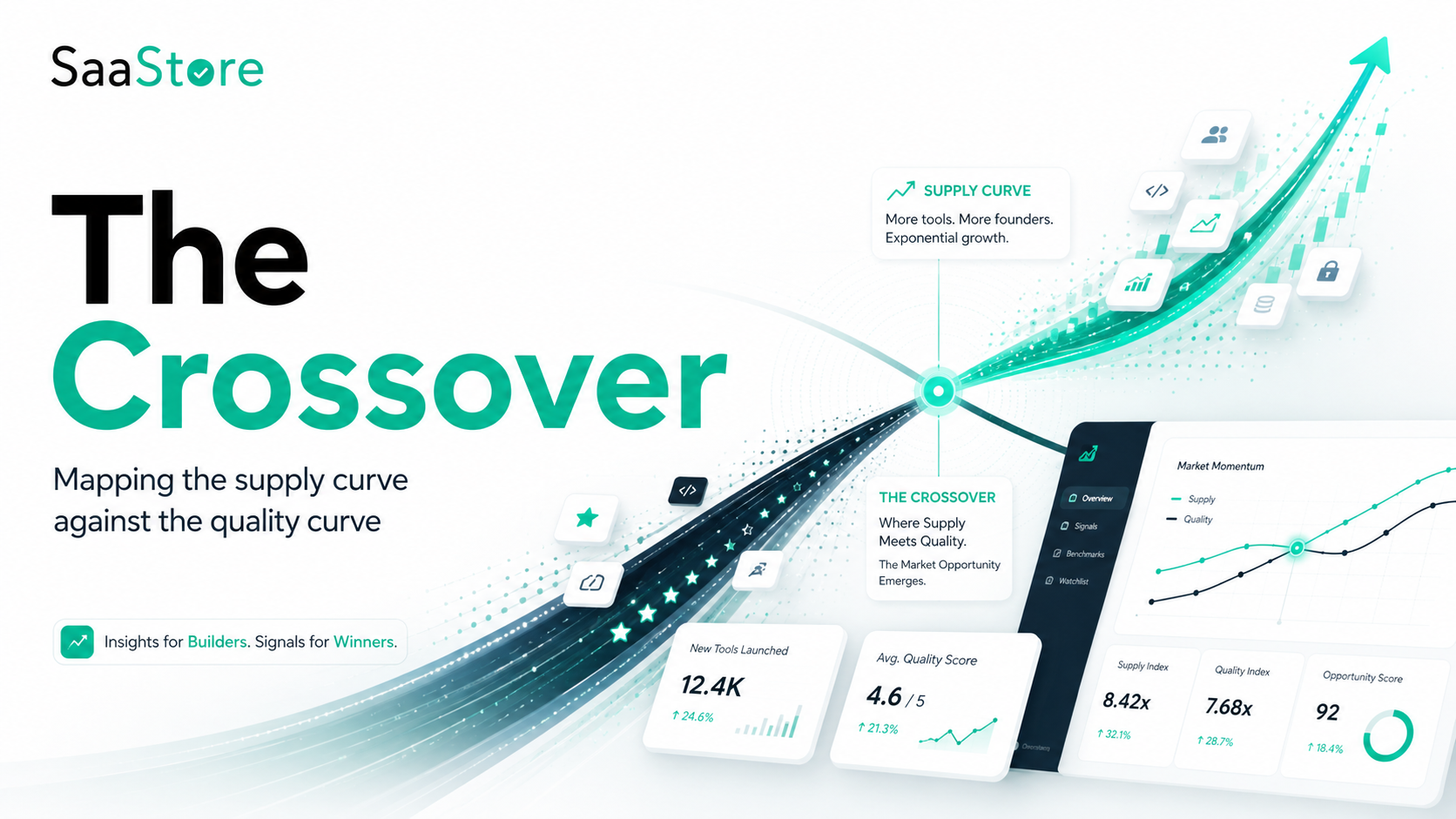
The two curves are decoupling in real time. Headlines simultaneously read "Claude hits 93% on SWE-Bench" and "Lovable apps leak Microsoft and Uber employee data." A buyer looking at any individual indie or AI-built product cannot resolve the contradiction on their own - and would not be expected to.
Better benchmarks do not equal safer code. Independent review is the bridge between the two, and it is currently a manual process. There is no shortcut.