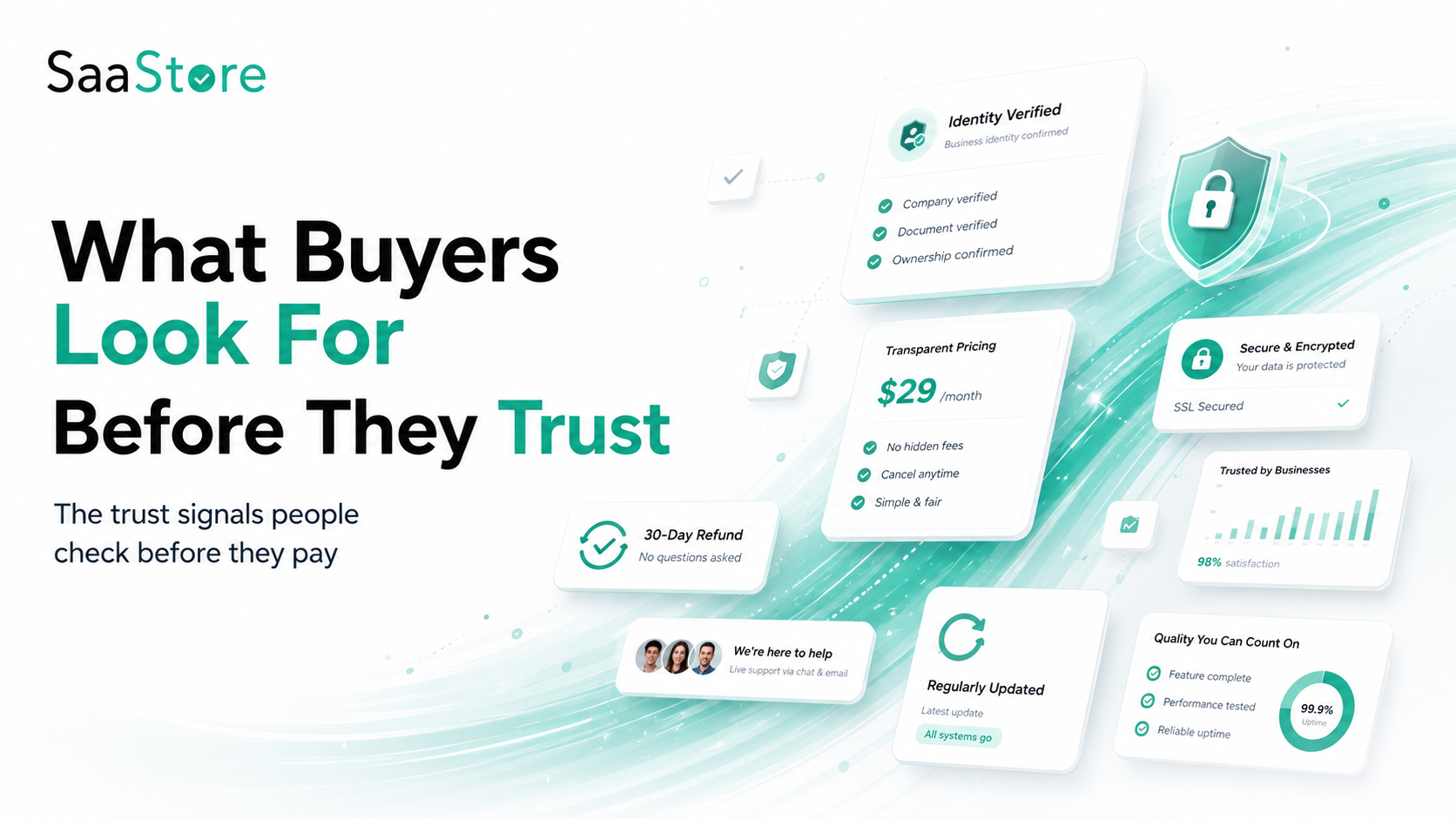
Most software websites have a homepage, a pricing page, and maybe a short about section. Very few have a trust page.
For independent software, that is a missed opportunity.
A trust page is not only for enterprise companies. It is not only for large vendors with compliance teams, SOC 2 reports, and legal departments. In many ways, indie software needs a trust page even more.
Because when a buyer lands on an unknown product, they are not only asking what the product does. They are asking whether they can trust it.
A trust page gives buyers one place to answer that question. It does not need to be complicated. It does not need to sound corporate. It simply needs to collect the signals that reduce uncertainty.
What a Trust Page Should Cover
The first thing a trust page should explain is who is behind the product. A buyer wants to know whether there is a real person or real company taking responsibility. A short founder note, company name, location, contact email, and support channel can immediately make the product feel less anonymous.
The second thing it should explain is how data is handled. What data do you collect? What data do you not collect? Where is the data stored? Is payment handled by a trusted provider? Can users delete their account or export their data? These answers do not need to be long. They need to be clear.
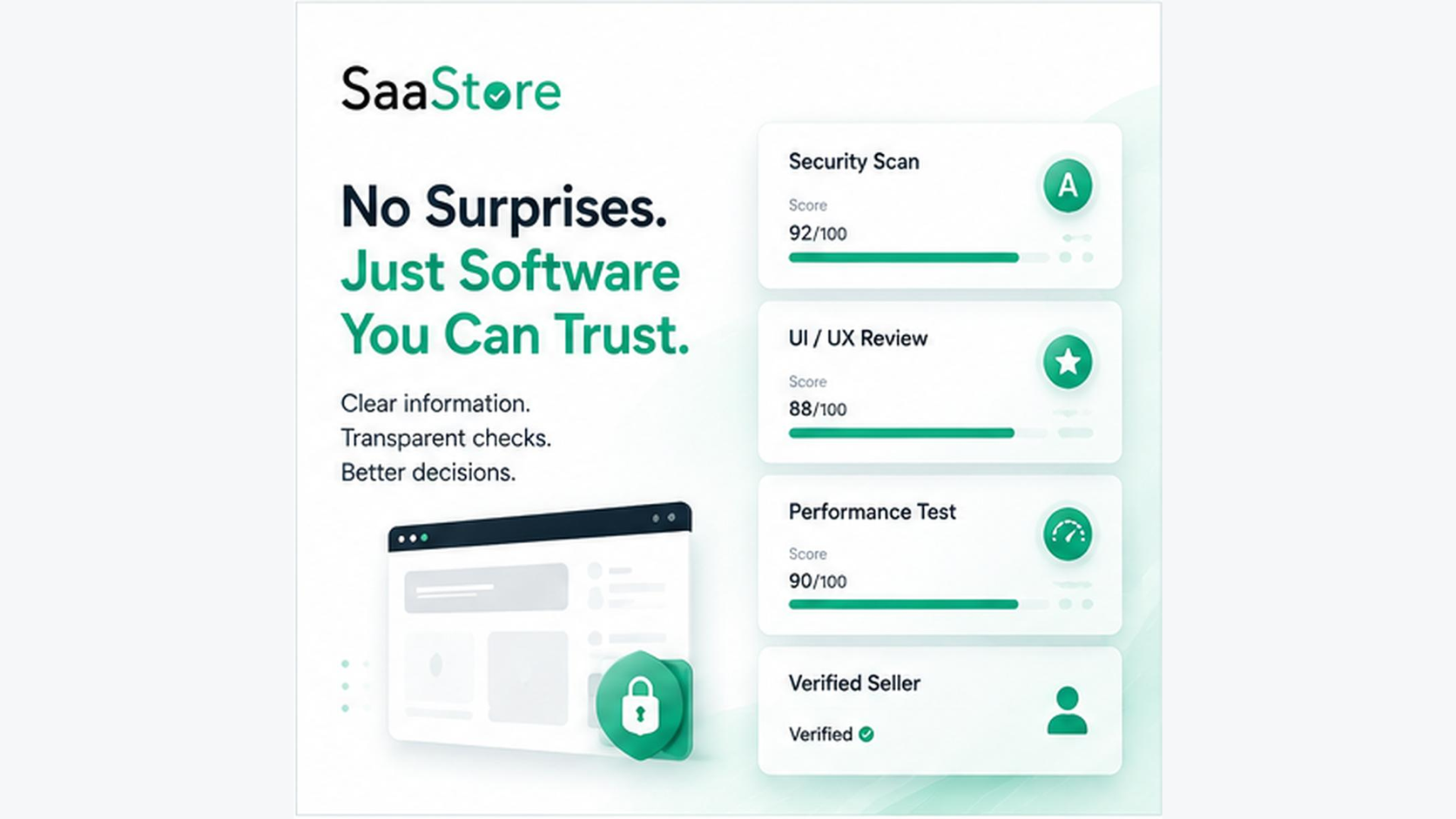
The third thing a trust page should show is security. If the product uses HTTPS, say it. If payments are handled by Stripe, Paddle, Lemon Squeezy, or another trusted provider, say it. If the product was scanned, reviewed, or tested, say it. If there are known limitations, say those too. Trust grows when buyers feel that the seller is not hiding anything.
The fourth thing a trust page should include is support expectations. Many buyers hesitate because they do not know what happens if something breaks. Even a simple statement helps: "We usually respond within one business day." "For urgent issues, contact us here." "This product is actively maintained." A realistic support promise is better than no promise at all.
The fifth thing is pricing and cancellation. Buyers are tired of confusing subscriptions. If cancellation is easy, say it clearly. If there is a refund policy, place it where people can see it. If there are no hidden fees, say that too. These details make the decision feel safer.
Trust Starts Earlier Than Checkout
The mistake many builders make is assuming trust signals belong only near the checkout button. But buyers start judging trust much earlier. They judge it from the homepage, the screenshots, the pricing page, the footer, the contact details, and the way the product explains itself. A trust page brings all of those signals together.
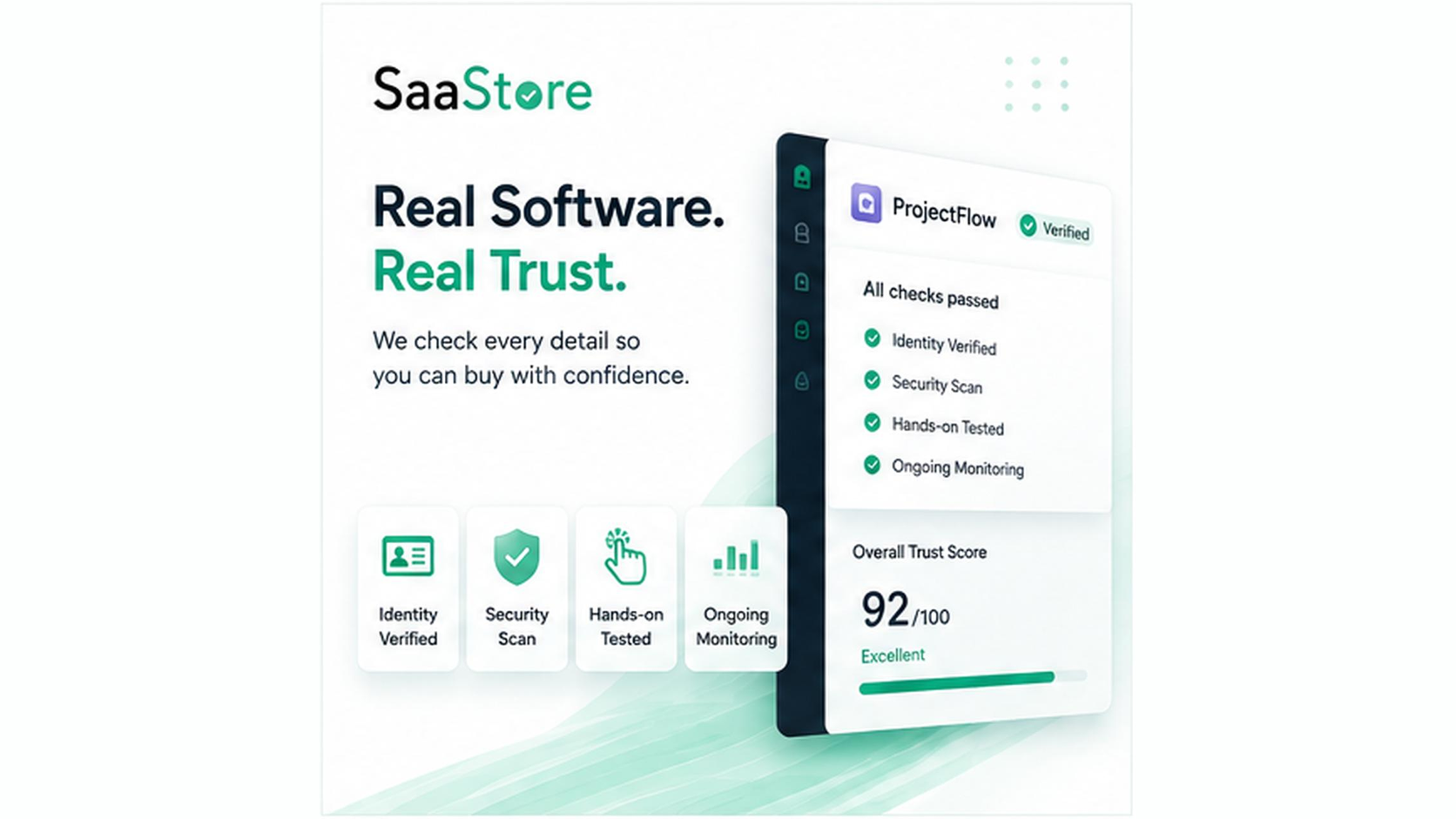
It tells the buyer: There is someone behind this. The product is maintained. The pricing is clear. The data policy is understandable. The support path exists. The product was reviewed with care.
That does not guarantee every buyer will purchase. But it removes many of the doubts that cause buyers to leave before they even try.
Showing the Small Details
For indie software, trust is not built only by saying "you can trust us." It is built by showing the small details that make trust easier.
A good trust page is one of the simplest ways to do that.